
The Appeal of the AI “Easy Button”
The major vendors are making it hard to say no. They offer what we call “Ready-Made Governance.”- Pre-Built Guardrails: When you roll out an AI Agent from a consolidated stack, it often comes with pre-checked boxes for data privacy, content compliance, and regulations like the EU AI Act. This speed of deployment is incredibly tempting for leaders under pressure to scale fast.
- Simplified Tech: No more messy integrations or fragile connections between different systems. A unified platform reduces IT complexity and lowers the initial Total Cost of Ownership (TCO).
The Hidden Cost of the Single Stack
That convenience, however, comes at a high price:- Innovation Slowdown: When you rely on a single vendor for everything, your features and capabilities are limited to their roadmap. The cutting-edge innovation often happens on the “edges” of the market, which you suddenly can’t access without major headaches. You sacrifice best-in-class tools for adequate tools that fit inside the box.
- Pricing Squeeze: Once you are fully locked into an ecosystem (and replacing a consolidated platform is incredibly expensive), the vendor controls the pricing. New bundles, higher license tiers, and usage-based models can quickly push costs past the original forecast.
- Catastrophic Risk: When one platform runs everything (your CRM, your data governance, and your AI Agents), a single system failure or outage can freeze your entire business, exposing you to widespread reputational and financial damage.
How to Build Governance Without Lock-In
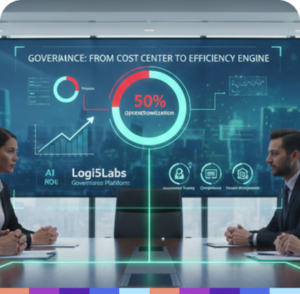
The goal isn’t to avoid centralized control, but to make sure you are the one in control, not your vendor. This is where the Logi5Labs infrastructure mandate comes in. You need an Independent Governance Layer that sits above all your vendors.- Demand Open APIs: Ensure any new vendor you onboard can cleanly and safely share data with third-party governance tools, rather than just locking you into their internal systems.
- Invest in a “Universal Safety Net”: Deploy a vendor-agnostic governance framework (like the AI Safety Net) that checks every single data input and content output for brand compliance, regardless of which vendor’s AI generated it.
- Prioritize Data Sovereignty: Your data hygiene and Synthetic Data pipelines must remain independent of any single vendor. If you can swap out the AI, but keep your clean, consistent data, you retain massive leverage.